21/2/26
The Market’s Moods: Bull Vs. Bear Markets
The Market’s Moods: Bull Vs. Bear Markets

Some days you wake up full of energy, ready to take on the world. Other days, you just want to hide under the duvet.
Markets? They do exactly the same thing.
And those “moods” have names: bull markets and bear markets.
The helpful part is this, once you know what each mood looks like, you stop taking every market move personally, and you start reacting with a plan instead of a panic.
So let's break down what each one means, and what to do when they show up.
So…what actually are they?
A bull market is a period when asset prices, typically stocks, rise by 20% or more from a recent low. People feel optimistic, money flows into stocks, and it starts to feel like good news is everywhere.
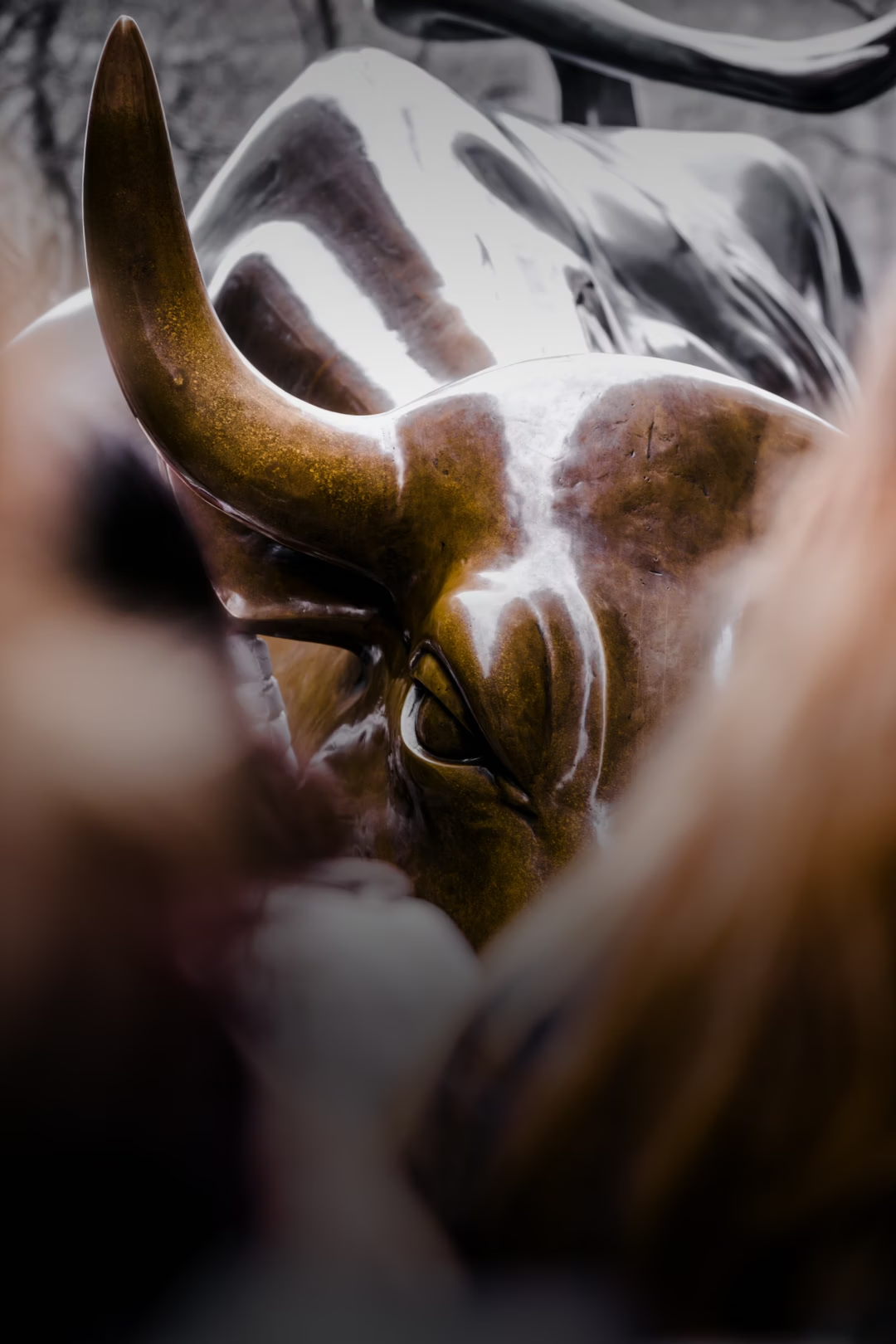
Think of a bull thrusting its horns upward - that's the visual the name comes from.
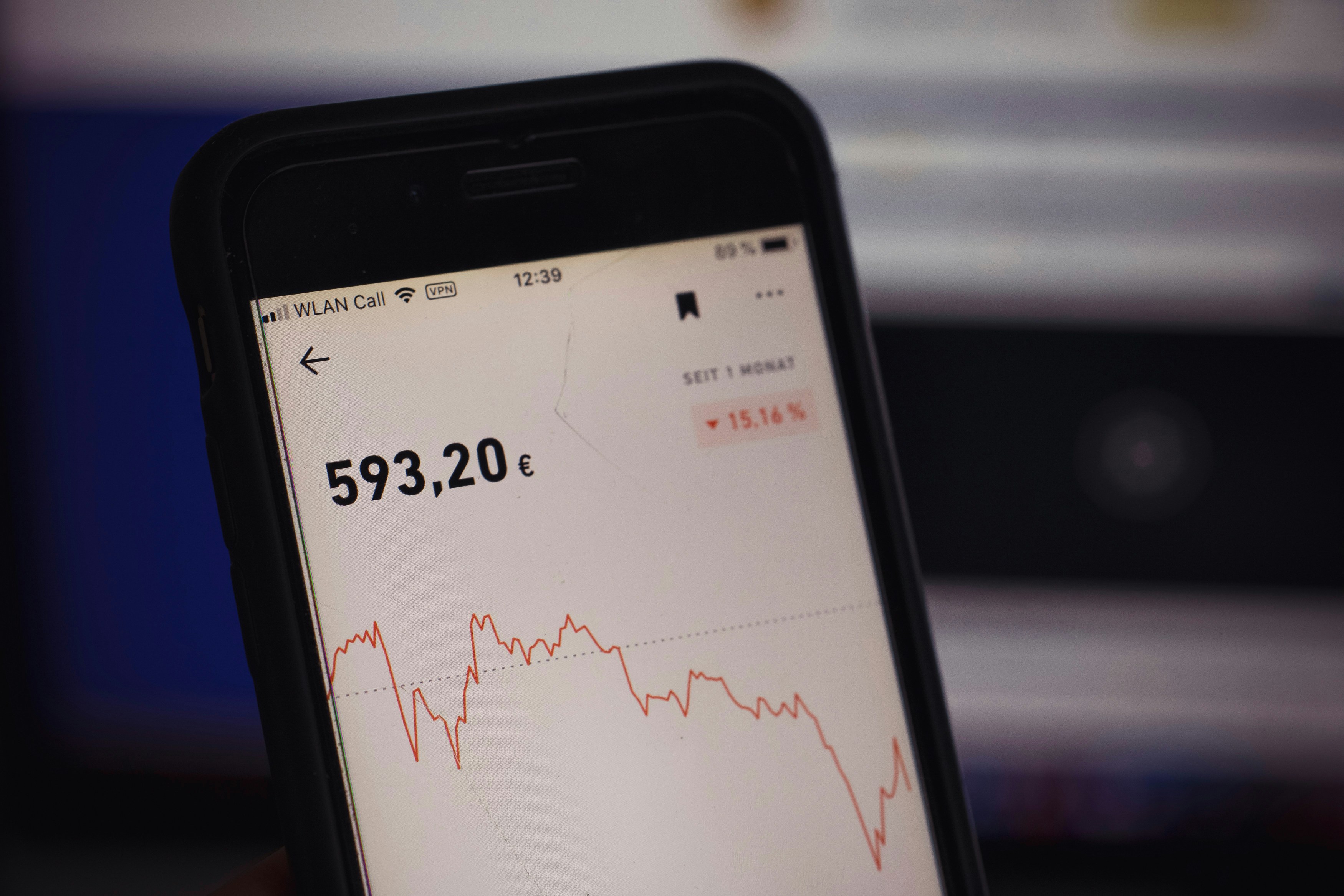
A bear market is the opposite: a decline of 20% or more from a recent peak, lasting at least two months. Pessimism takes hold, and headlines tend to get scary. A bear swipes its paws downward - dragging prices with it.
Markets Move in Cycles
No market stays in one mood forever. Bull markets eventually give way to bear markets, and bear markets always - always - eventually recover. What drives these shifts?
Interest rates play a big role. When central banks raise rates (like the US Federal Reserve did aggressively in 2022), borrowing becomes more expensive, spending slows, and stock prices often fall. When rates drop, money becomes cheaper and markets tend to lift.
Economic growth matters too. Strong GDP, low unemployment, and healthy corporate profits tend to fuel bull markets. Recessions or slowdowns often coincide with bearish periods.
And then there's investor sentiment - the collective mood of millions of people making buy and sell decisions. Sometimes markets move simply because enough people believe they will.
How Long Do They Last?
Here's some genuinely reassuring data. According to analysis of the US stock market by from Morningstar and S&P Dow Jones Indices:
- Bull markets have historically lasted around 5.5 years on average, with average gains of over 180%.
- Bear markets have lasted roughly 9 to 16 months on average - significantly shorter than bull runs.
The takeaway: the ups tend to last longer than the downs. Patience is genuinely rewarded.
A powerful example: the bull market that followed the 2008 financial crisis ran from March 2009 all the way to February 2020 - nearly 11 years, making it the longest bull run in US market history. Investors who stayed in through the dark days of 2008 were richly rewarded.
More recently, 2022 brought a sharp bear market as the S&P 500 fell over 25% amid soaring inflation and rapid interest rate hikes. It felt brutal - but by early 2024, markets had fully recovered and pushed to new highs.
The ups tend to last longer than the downs. Patience is genuinely rewarded.
How Emotions Drive the Cycle
Markets are made of humans - which means emotions run the show more than we'd like to admit.

In a bull market, greed can creep in. FOMO (fear of missing out) pushes people to buy at high prices, sometimes taking on more risk than is sensible. Overconfidence sets in. Everyone becomes an investing genius.
In a bear market, fear takes over. People panic-sell - often locking in losses right before a recovery. Doom scrolling through financial news makes everything feel worse. The urge to "just get out" becomes overwhelming.
Both impulses are completely human - and both can seriously damage your long-term returns. Recognising these emotional patterns is the first step to moving beyond them.
Two Examples
The 2009 bull run
After the 2008 financial crisis, the S&P 500 climbed from a low of around 666 points all the way to over 3,300 by early 2020 - a gain of roughly 400% over 11 years.
And even investors who bought at the peak just before the crisis - around 1,570 points - and sat through the crash still more than doubled their money by early 2020. Timing the market perfectly wasn't required - staying in was.

The 2022 bear market
As inflation surged and interest rates rose sharply, the S&P 500 fell around 25% - and the Nasdaq dropped closer to 33%. It felt relentless. But by early 2024, markets had fully recovered, and 2024 brought a string of new all-time highs. The bear lasted about 12 months, and the recovery that followed has been one of the strongest on record - the S&P 500 is up around 92% from its 2022 lows, and the Nasdaq is up around 130%.
What to Actually Do With This
Whether you're in a bull or bear market, the principles of smart long-term investing stay the same:
Keep investing consistently. Regular contributions through a strategy like dollar-cost averaging mean you buy more shares when prices are low, setting you up for stronger gains when the market recovers.
Don't time the market. Even professional fund managers rarely get it right. Missing just the ten best days in the market over a decade can cut your returns in half – but the good news is that simply staying invested helps you capture those days.
Zoom out. Bear markets are temporary. When you look at long-term market charts, almost every downturn, no matter how severe, looks like a blip on the way up. The Japanese market is a notable exception - it took over 30 years to reclaim its 1989 peak. But for broadly diversified investors, the pattern of recovery is a powerful one.
Review, not react. Use volatile periods to assess whether your portfolio still matches your goals, not to make impulsive changes based on the news cycle.
You’re Statistically Likely to Succeed
Women are statistically more likely to invest with a long-term mindset, and that's actually a superpower in markets like these. Understanding that bull and bear phases are a natural part of the cycle - not emergencies to panic over - means you can make calmer, clearer decisions than the market crowd.
The investors who build real wealth aren't the ones who predicted every downturn. They're the ones who stayed the course, kept learning, and refused to let fear make their financial decisions for them.