10/2/26
What I Spent This Week as an Architectural Assistant Making £30k
Ever wondered how others really manage their money?

Ever wondered how others really manage their money?
In the A Week in My Wallet series, we share it all, because talking about money shouldn't be off-limits.
Every week, an anonymous member shares a week of their spending: no names, no filters, just honest stories about life's everyday financial choices.
Ready to join the conversation and help make money talk less taboo? Share your own story via our form here.
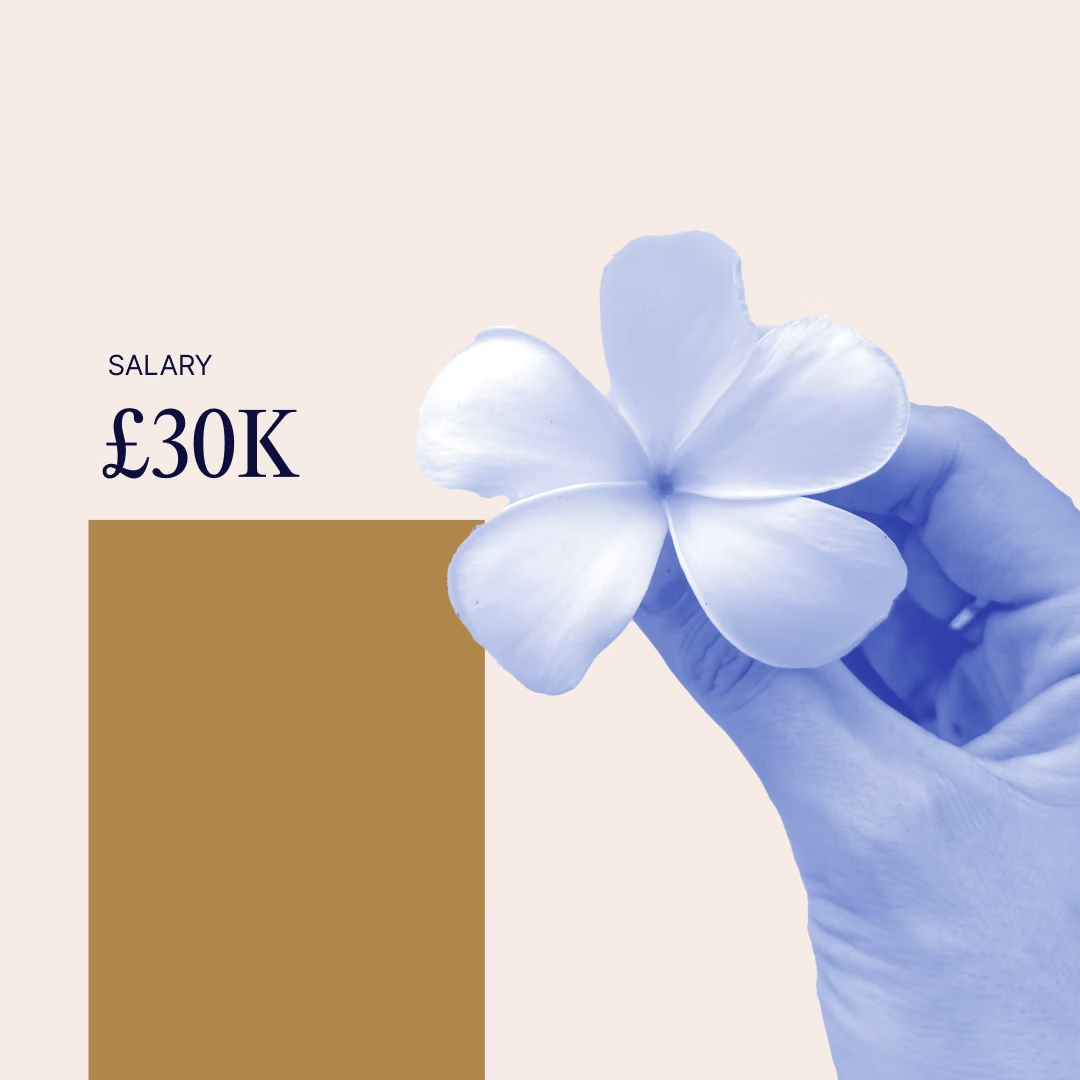
Monthly Take-Home Pay (after tax): £1945
Do you share expenses with someone? No
What is your overall monthly budget?
Bills
- £300 – rent to parents
- £150 – to covering annual car costs (insur/tax/maintenance/mot/service)
- £200 – car fuel
- £200 – food
- £30 – phone bill & subscription
- £35 – for Christmas presents & birthdays
- £30 – dentist checkup
Savings
- £200 – FU fund
- £400 – future house
- £25 – investments
Wants
- £100 – annual holidays
- £50 – towards activities in summer month (my most expensive time of year)
Amount left each month after essentials (to spend, save or invest): £235
Dependents (if any): None
My Relationship with Money
Growing up, did your parents or guardians educate you around money?
None, I learnt most of it from Female Invest.
My parents didn’t discuss money openly, so I grew up with limited financial knowledge, aside from a few warnings about savings and debt. My parents were very much of the belief that money was earned through hard work. From a young age, they encouraged us to get jobs so we could learn the value of money and understand that money isn’t unlimited.
What was your first job and why did you get it?
Working in a dog kennel went I was 13 to earn a bit of money for treats and going out with friends.
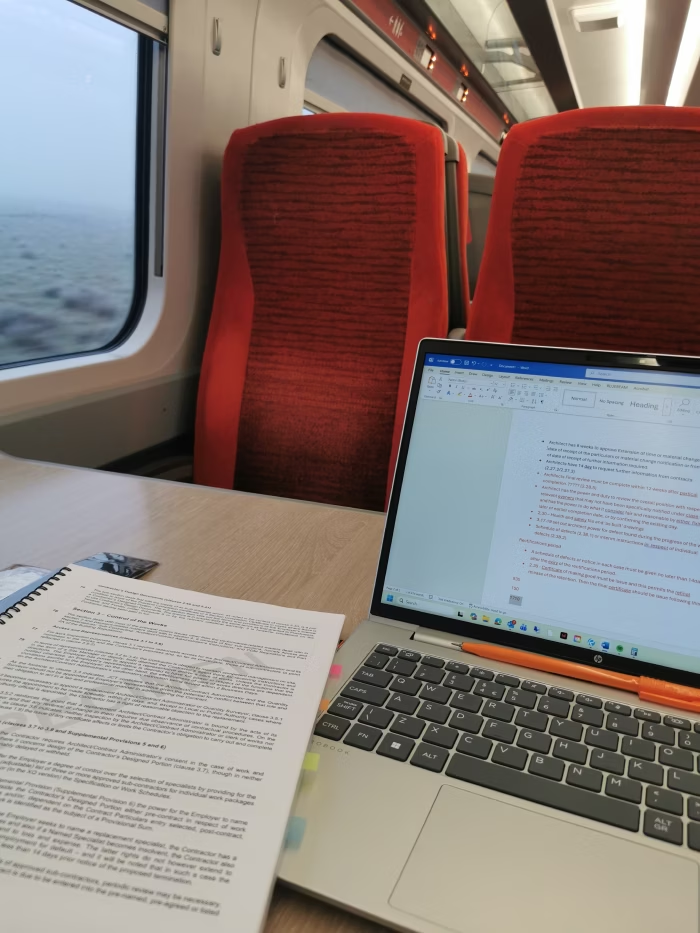
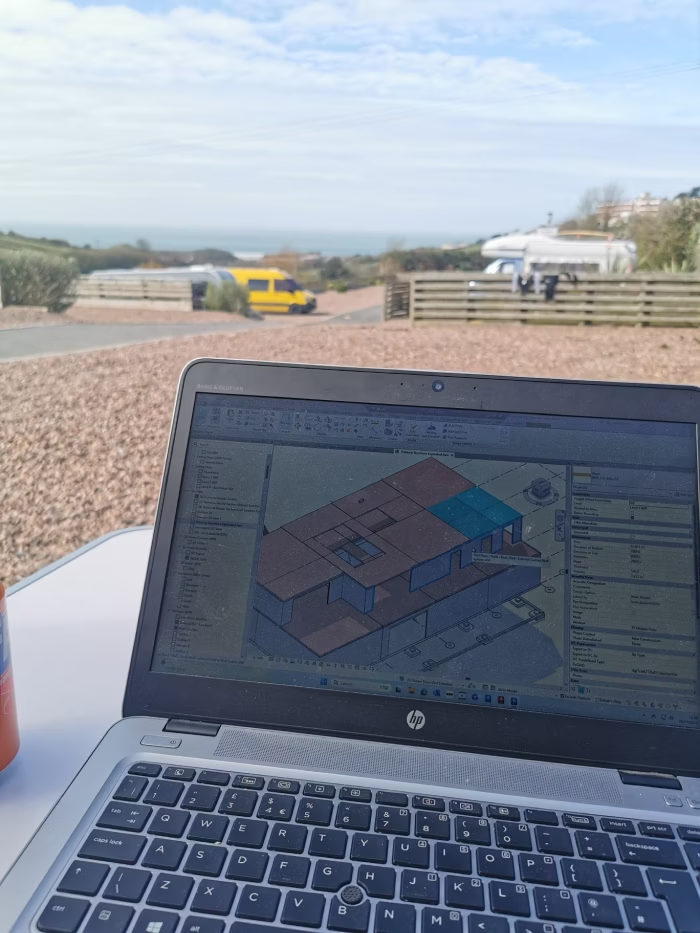
After finishing university, I worked on a farm during Covid until I got my graduate job working as an Architect Assistant for the last 5 years.
Did you worry about money growing up?
Not particularly; because my parents didn’t discuss money, we were kept fairly sheltered from any money worries they had.
My dad always had a good job growing up, and I presumed money was fine. In my later teens, I became more aware of their financial situation and realised that it might not have been the case, but it has always felt very hush-hush.
At what age did you become financially responsible for yourself and do you have a financial safety net?
I became particularly financially independent at 18, when I started university. My parents still supported me during the summer, as I lived rent-free at home and often took their food and laundry supplies when I returned.
I only truly achieved full financial independence at 21, but I should note that I still live with my parents and pay them less rent than I would elsewhere. This has given me the ability to save for a house and travel.
Do you worry about money now?
Yes, I am very conscious about money and keep track of where every pound goes each month.
I used to constantly worry about unexpected bills, so over the past two years I have worked hard to build an emergency fund buffer. This has really started to help relieve my money anxiety and has stopped me stressing every time I spend money.
I make sure I spend my money on things that genuinely matter to me, which allows me to afford my hobbies and travel. I avoid spending money unnecessarily or on things that aren’t important to me, so I can prioritise experiences and activities I really value.
I still really worry about buying a house on my own and about being able to enjoy days out and cover the bills without stress.
What is your biggest money regret?
Not learning about interest rates sooner and about investing.
I left about 10K in a Help to Buy account with less than 1% interest rate for about 5 years while I was at uni. I now wish that this money had been invested.
What financial goals are you working towards?
Buying a house and saving for opportunities to work abroad.
Who is your financial role model (if any), and why?
Founders of Female Invest. I don't personally know anyone else who talks openly about money or anyone who invests.
Reflections on My Spending Habits:
As I'm getting closer to buying a house, I'm making sure my spending is on essential thing only. Over the past 2 years, I've gotten a lot better avoiding impulsive buying, and making sure what I spend money on is only stuff that makes me happy and I'll use. I'm also taking advantage of time studying for my exams to try and make the most of quiet periods to save up.
What I Spent in a Week
Day 1 – Monday: £0
Nothing, I go to work and make sure I take lunch daily to ensure I don't overspend.
Day 2 – Tuesday: £8
• Grab coffee with work friends: £8
Day 3 – Wednesday: £0
Nothing, I go to work and make sure I take lunch daily to ensure I don't overspend.
Day 4 – Thursday: £0
Nothing, I go to work and make sure I take lunch daily to ensure I don't overspend.
Day 5 – Friday: £0
Nothing, I go to work and make sure I take lunch daily to ensure I don't overspend.
Day 6 – Saturday: £50
• Meal out with friends: £50
Day 7 – Sunday: £70
• Food shop: £20
• Fuel: £50
Total Weekly Spend: £128
