28/11/25
The UK Budget: What You Need to Know
The UK Budget: What You Need to Know

Rachel Reeves has just unveiled the Autumn Budget - and it’s a big one.
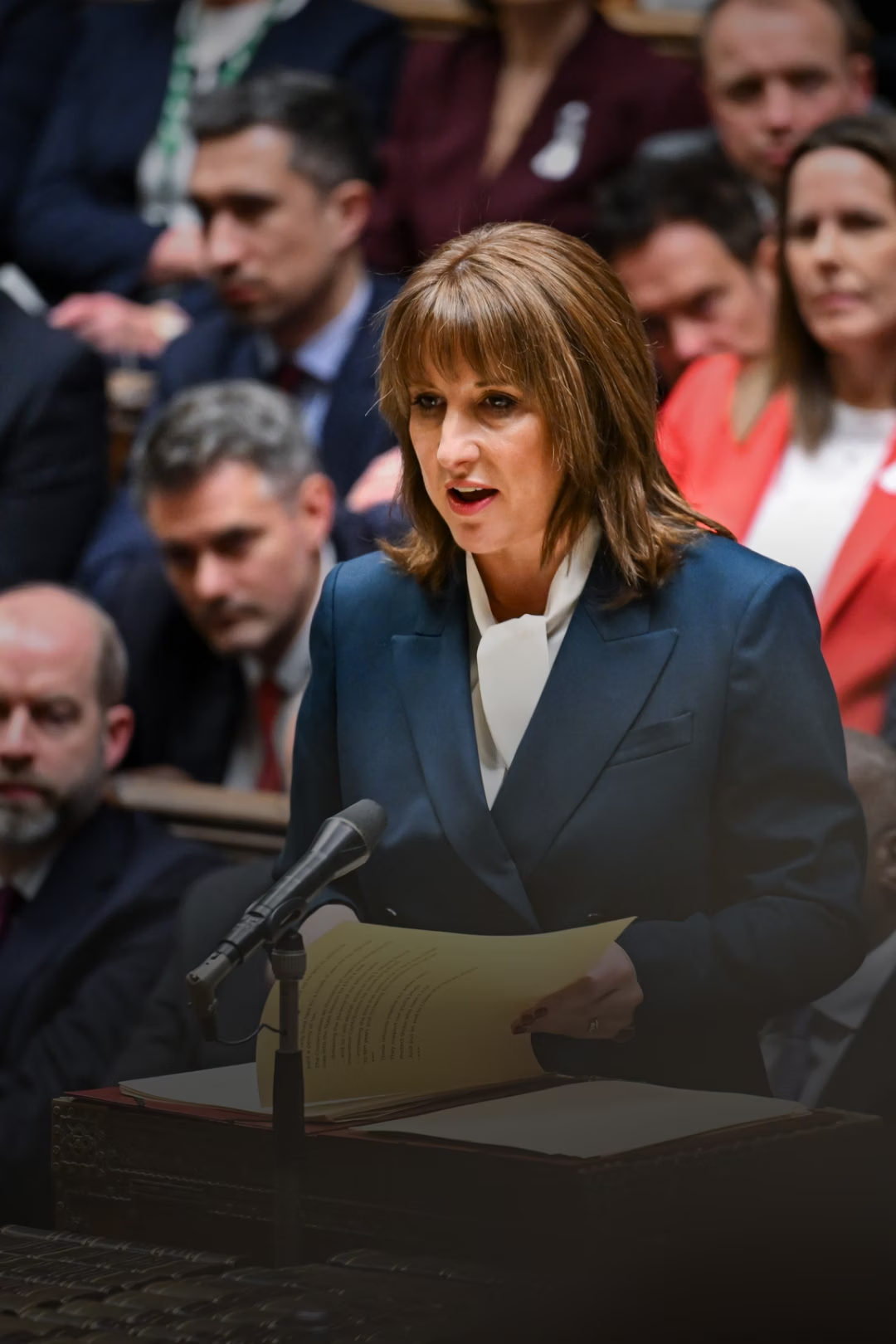
After the entire thing leaked online two hours early (oops), the UK’s first female Chancellor stepped up in Parliament to confirm what was already out there: some of the biggest tax rises in years.
This big picture is this: a tighter, more taxed Britain.
The Office for Budget Responsibility (OBR) now expects the UK economy to grow around 1.5% a year on average, slower than previously forecast, as productivity disappoints. At the same time, tax as a share of the economy is heading to a record 38% of GDP by 2030–31.
Here are the five key take aways about what’s actually changing and what it means for your wallet.
1. Stealth taxes
Income tax thresholds are normally nudged up each year so inflation doesn’t quietly eat your pay. But the freeze that started in 2022 is now extended all the way to 2031 (it was supposed to end in 2028).
Translation: as wages rise, more people get pulled into higher tax bands even if they’re not better off in real terms. It’s a tax rise without ever raising the headline rate.
2. ISAs
The annual cash ISA allowance will drop to £12,000 from 2027 (unless you’re over 65).
The idea? Push people towards investing rather than hoarding cash.
The overall ISA limit stays at £20,000 but more of that allowance will need to be in stocks and funds if you want to use it all.
What this means for you: If you regularly max out your ISA in cash, it’s a nudge to stop stockpiling savings and start investing instead – whether in stocks, bonds or funds, ideally inside an ISA or pension wrapper.
3. Minimum and living wage
The national living wage rises 4% to £12.71 an hour.
For 18–20-year-olds, the minimum wage jumps 8.5% to £10.85.
Long term, the government wants one single living wage for everyone, regardless of age.
4. Pensions
Reeves confirmed that from 2029, salary sacrifice pension contributions will be capped at £2,000 a year for tax relief purposes.

This makes salary sacrifice less tax-efficient for both employers and employees — a quiet but meaningful change for anyone relying on it to boost their pension.
What this means for you: For most people, workplace pensions stay attractive. It may reduce the incentives for a small few.
5. The two-child benefit cap
It’s not all tax rises. Reeves is also reversing some of the harshest welfare cuts, including the two-child limit on Universal Credit (in place since 2017).
The OBR says scrapping the cap will:
- Cost around £3 billion a year by 2029–30
- Increase benefits for roughly 560,000 families
- Raise average support by more than £5,000 per family
It’s expected to cost around 3 billion GBP a year and lift 450,000 children out of poverty by 2029.
Other changes worth knowing about:
- The “Mansion” tax - From 2028, there’ll be a High Value Council Tax Surcharge. Meaning owning an expensive house, just got more expensive.
- £2,500 a year for homes worth more than £2 million
- £7,500 a year for homes worth more than £5 million
- A 2% rise in taxes on dividends (outside an ISA or pension)
- A 2% tax property and interest income on top of current income tax. Meaning owning and renting out property became a bit less appealing. Also, holding cash that is earning interest beyond allowances also got less appealing. Which is why you could consider investing and using your ISA options.
- A new per-mile tax of 3p or 1.5p on electric vehicles and hybrid driving is coming, eating into one of the big financial perks of going electric.
- The sugar tax now covers milkshakes and sugary lattes too. From 2028, sugary milk-based and milk-alternative drinks (think bottled milkshakes, sweetened yoghurt drinks, ready-to-drink coffees) will be pulled into the existing sugar tax net.
If you strip away the noise, the Budget sends a few clear signals: Holding lots of cash, rental property or untaxed dividend income is getting more expensive. Tax wrappers (ISAs, pensions) are more important than ever. If you’re a parent on benefits, especially with more than two children, the welfare changes could make a real difference.