14/10/26
What I Spent This Week as a Children's Social Worker Making $51K
Ever wondered how others really manage their money?

Ever wondered how others really manage their money?
In the A Week in My Wallet series, we share it all, because talking about money shouldn't be off-limits.
Every week, an anonymous member shares a week of their spending: no names, no filters, just honest stories about life's everyday financial choices.
Ready to join the conversation and help make money talk less taboo? Share your own story via our form here.
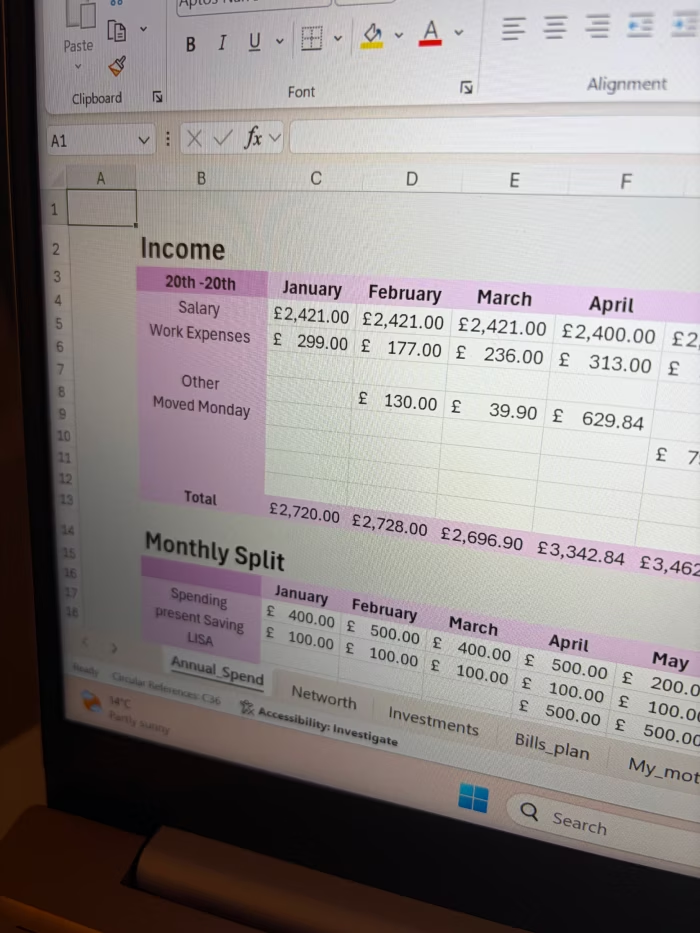
Monthly Take-Home Pay (after tax): £2,400 ($3,168)
Do you share expenses with someone: Yes
What is your overall monthly budget?
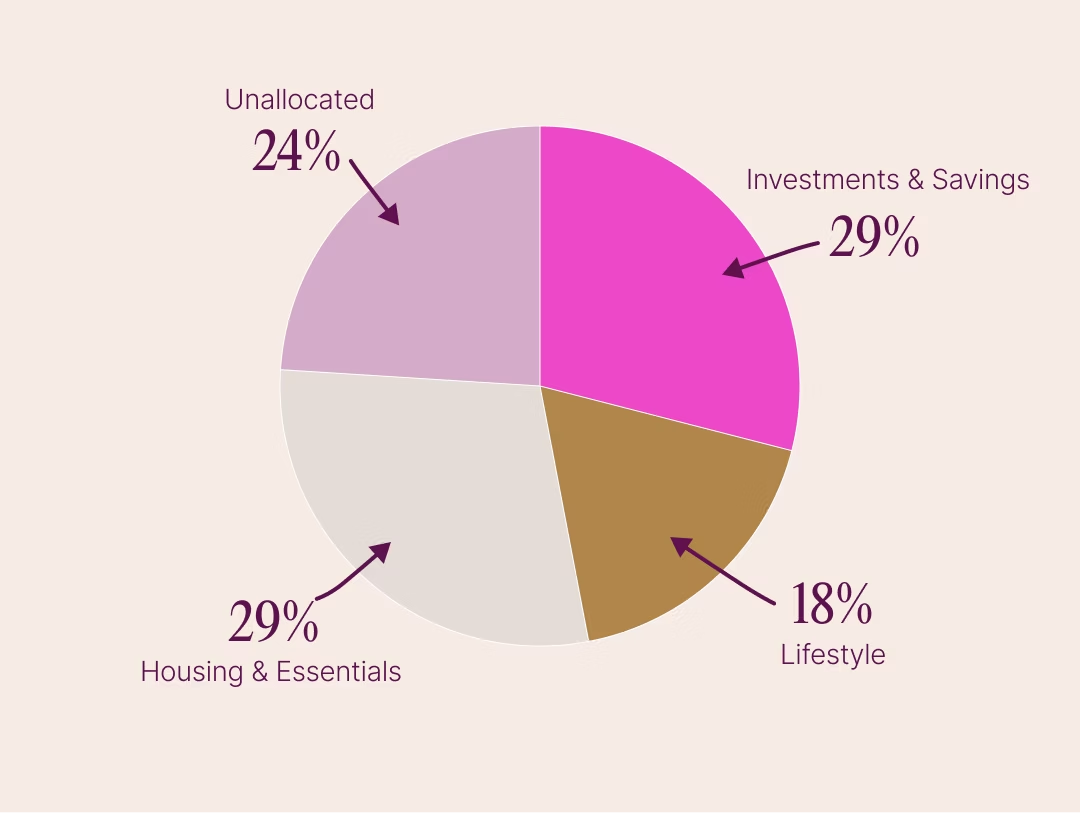
My income is paid into one account, I then divide it out:
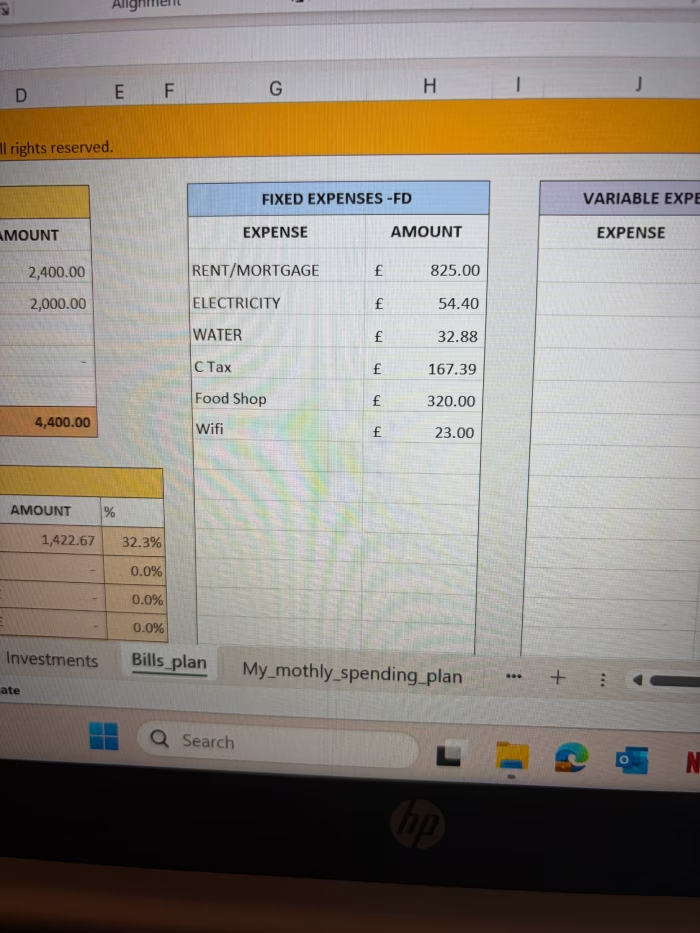
- I firstly pay £700 ($924) into mine and my partners join account which pays for rent, bills and food shops.
- I then give myself £300 ($396) spending money for the month.
- I pay £500 ($660) into my LISA (until the 4000 limit is reached)
- I pay £200 ($264) into my stocks and sharesI pay £100 ($132) into my Xmas fund.
- My workplace pays my mileage which is helpful so that covers all my petrol.
Amount left each month after essentials (to spend, save or invest): £1,100 ($1,452)
Dependents (if any): No dependents. Consider ourselves DINKS - double income, no kids. For now.
My Relationship with Money
Growing up, did your parents or guardians educate you around money?
Saving was always talked about from a young age, such as on a birthday I was always asked "how much will you keep and how much will you put in the bank?" And we would take my savings to the bank. I learned not to keep it all and keep some for later which really helped me in the long run to keep money aside. I didn't learn how to manage savings until later on.
What was your first job and why did you get it?
I began working at a pub at 16, firstly it gave me something to do but I also wanted to buy my own things which meant I needed to work for it. I was always excited about working so it wasn't all money focused.
Did you worry about money growing up?
I was definitely conscious about needing to save, compared to my sister whose money burnt a hole in her pocket until she spent it.
At what age did you become financially responsible for yourself and do you have a financial safety net?
I recognised that my parents switched between who was the main earner through their life and supported each other and I wanted to be fully dependant on myself. I started managing my own money from 18 however through university I was supported by family and the student loan. I also returned to my parents home for a year. I have an emergency fund saved as my safety net should I need it.
Do you worry about money now?
I shouldn't worry because I plan well and have safety measures in place but I constantly look to the retirement figure and feel it isn't enough and want to continue to earn and invest.
What is your biggest money regret?
Perhaps not my regret but finances should definitely be taught about at school so we have an understanding earlier on.
What financial goals are you working towards?
I am working towards personal goals that require finances such as spending a year in Australia and owning a country side cottage. I hope to retire comfortably so that I can travel.
Who is your financial role model (if any), and why?
My Mum and Dad and Sister because my Dad is smart with money which I learn from, my Mum is comfortable and happy with what she has and I think that's important. Any my sister is a free spirit who loves to spend and lives paycheque to paycheque and that's okay too (she's younger and has time to learn, currently living in the now).
Reflections on My Spending Habits:
My spending is limited during the work week. I buy what I need and prioritise treating myself on occasion.
What I Spent in a Week
Day 1: Monday – £0 ($0)
- £0 ($0) — Day at work
Day 2: Tuesday – £0 ($0)
- £0 ($0) — Day at work
Day 3: Wednesday – £6.50 ($9)
- £6.50 ($9) — Trip to co-op for some essentials for dinner. Day at work otherwise.

Day 4: Thursday – £0 ($0)
- £0 ($0) — No-spend day.
Day 5: Friday – £26.99 ($36)
- £26.99 ($36)— Gym membership (monthly)
Day 6: Saturday – £7 ($9)
- £7 ($9) — Bought a birthday present on the way to a birthday party
Day 7: Sunday – £134 ($177)
- £44 ($58) — Sunday Dinner after being out walking.
- £50 ($66) — Petrol for the next week ahead.
- £40 ($53)— Food shop (£80 split between 2)
Total Weekly Spend: £174.49 ($230)