14/5/26
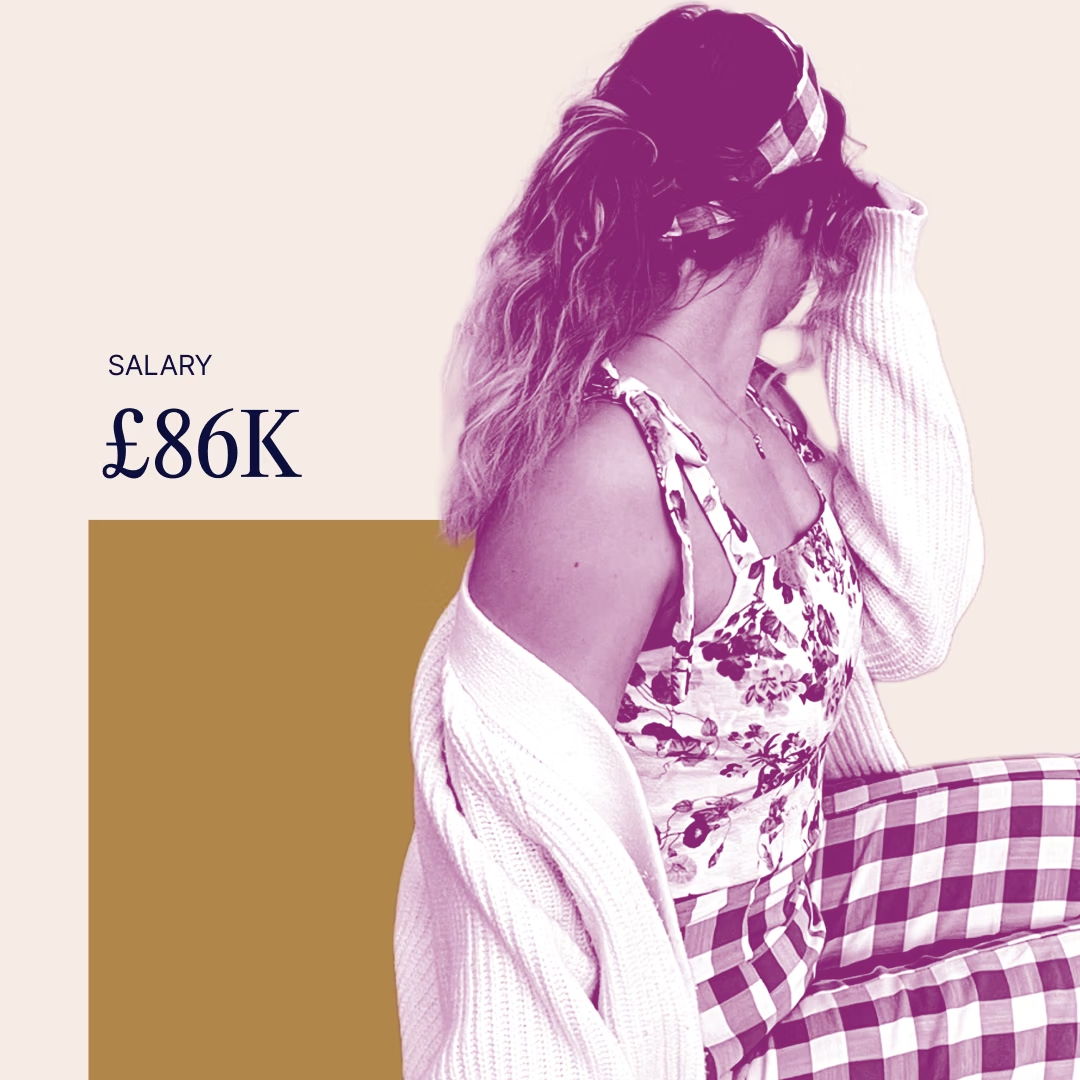
What I Spent This Week as a Financial Risk Officer Making £86K
Ever wondered how others really manage their money?

Ever wondered how others really manage their money?
In the A Week in My Wallet series, we share it all, because talking about money shouldn't be off-limits.
Every week, an anonymous member shares a week of their spending: no names, no filters, just honest stories about life's everyday financial choices.
Ready to join the conversation and help make money talk less taboo? Share your own story via our form here.
Monthly Take-Home Pay (after tax): €6,500 (£5,590)
Do you share expenses with someone? Yes
Household Income (if shared): €12,500 (£10,750)
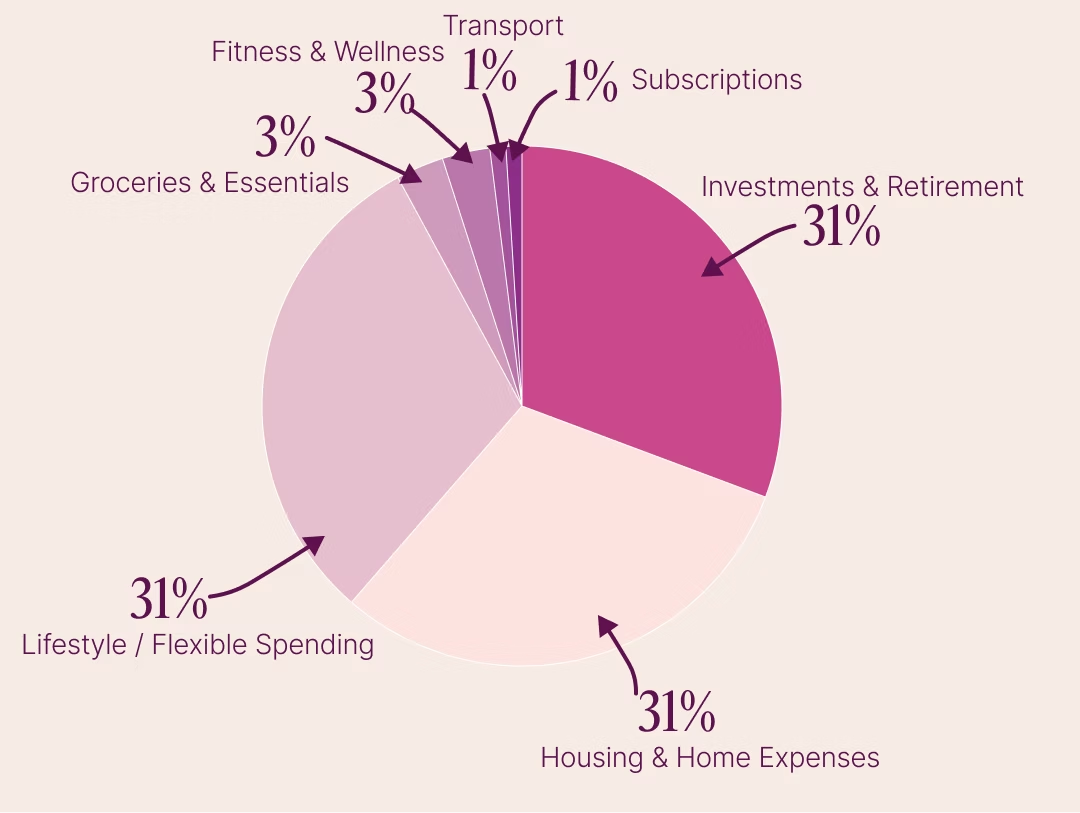
What is your overall monthly budget?
- Mortgage and related home expenses: €2,000 (£1,720)
- Groceries: €200 (£172)
- Reformer Pilates subscription: €200 (£172)
- Spotify and Apple Cloud: €30 (£26)
- Investment contributions: €2,000 (£1,720) (€1,000 [£860] to my supplementary retirement plan, €750 [£645] to my index fund and €250 [£215] to my trading platform)
- Transport: €70 (£60) for the car insurance. But we barely use the car since public transport in Luxembourg is free!
Amount left each month after essentials (to spend, save or invest): €1,000 (£860) for me and €1,000 (£860) for shared expenses with my husband, such as trips or home decor
Dependents (if any): No
My Relationship with Money
Growing up, did your parents or guardians educate you around money?
My parents always taught me the value of money and how to spend it wisely. When my sister and I were kids, they made sure we understood how much things cost. I think they were also shaped by the global financial crisis, which hit Spain very hard. Even though they didn’t lose their jobs, those were financially uncertain years that left a strong impression on society.
What was your first job and why did you get it?
I worked at Zara during the summer while I was at university. I wanted to earn some money to travel with my then-boyfriend, now husband! I applied through their careers website, and they called me to work in a store near my house.
Did you worry about money growing up?
Even though we didn’t face serious financial problems, I was still very aware of money growing up. My parents worried about losing their jobs, especially since they had mortgages to pay. As I mentioned, growing up during the global financial crisis made me really value economic security for my future, and I guess that is why I ended up studying Economics, I wanted to understand money and how it worked.
At what age did you become financially responsible for yourself and do you have a financial safety net?
At 22, right after finishing my degree in Economics, I got a job at a Big Four firm in Madrid. I was still living with my parents, which helped me save some money. Then, at 25, I got a job in Luxembourg at the same time as my husband (we were extremely lucky!), so we moved there together. I would say it was only then that I became fully financially independent.
Do you worry about money now?
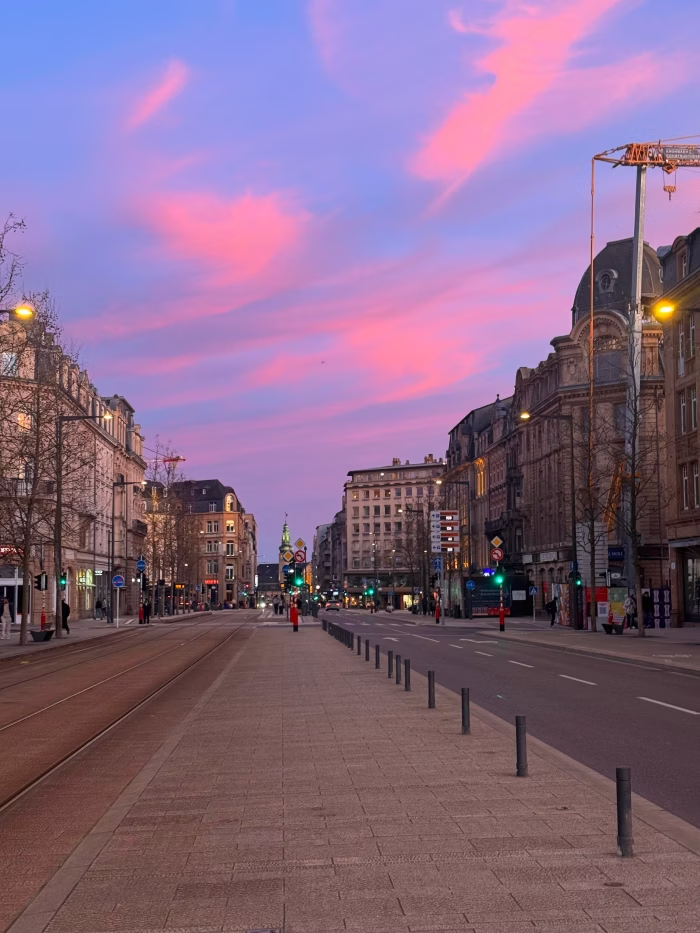
Yes, especially since we bought our apartment in Luxembourg. Even though we both have good jobs, property here is very expensive, and I’m still shocked by the size of our mortgage. It was a conscious decision and we love our home, but it’s a significant financial commitment.
What is your biggest money regret?
I think this feeling is quite common, but I do wish I had started investing consistently when I first began working. Back then, I wasn’t as organized with my finances as I am now, and I left too much of my savings sitting in my current account instead of putting it to better use.
Despite having studied economics and working in finance since graduating, I always saw investing as something too risky—or not really for me at that stage—so I kept things fairly low-key. I invested in an index fund that someone recommended, but I wasn’t very consistent with it.
However, since discovering your content, I’ve become much more engaged with my investing journey and have started actively investing in my own stocks and ETFs through my brokerage account.
What financial goals are you working towards?
I would like to reach my first €100k (£86,000) in investments—I still have around €70k (£60,200) to go (not including my additional retirement savings). Together with my husband, we would also like to buy an apartment in Spain, rent it out while we’re living abroad, and eventually generate some passive income.
Who is your financial role model (if any), and why?
I really like Sim Kaur from Friends That Invest. I admire her for reaching her FIRE goal at such a young age (29), even though she continues to work on her own terms. What I appreciate most is that, despite being able to afford a more luxurious lifestyle, she comes across as very relatable—someone you can genuinely identify with. Unlike many people who start earning a lot of money, she has stayed authentic and down to earth.
Reflections on My Spending Habits:
I’ve become more frugal over time, but living in Luxembourg, I tend to treat myself when I go back to Spain—for example, earlier this week on Monday. Whenever I go to visit my family, I usually take advantage and do beauty treatments or buy clothes, since they’re much cheaper there (you could even call it a bit of arbitrage). Also,I see why we don’t go out for dinner very often in Luxembourg, because even a simple meal can be quite expensive, and it quickly adds up!

What I Spent in a Week
Day 1: Monday - €338 (£291)
€200 (£172) — Facial
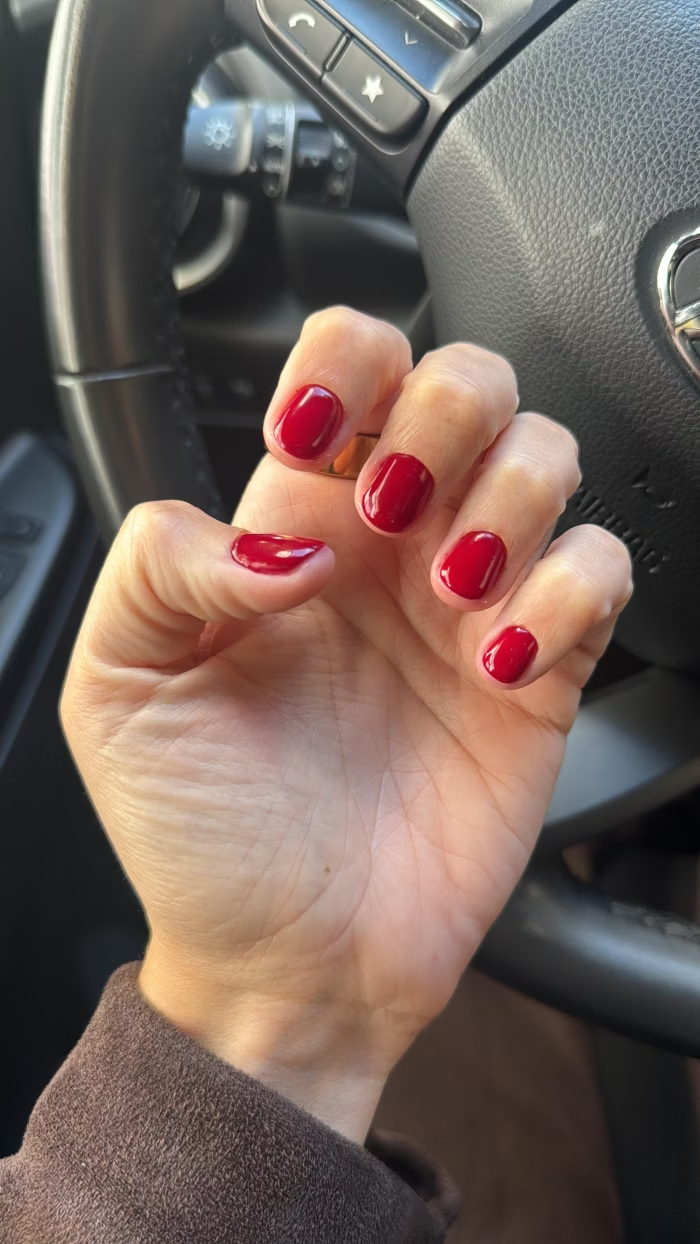
€38 (£33) — Nails
€100 (£86) — Clothes
Day 2: Tuesday - €5 (£4)
€5 (£4) — Airport dinner
Day 3: Wednesday - €64 (£55)
€4 (£3) — Lunch at the office
€60 (£52) — Groceries
Day 4: Thursday - €5.2 (£4)
€4 (£3) — Lunch at the office
€1.2 (£1) — Parking for pilates class
Day 5: Friday - €40 (£34)
€40 (£34) — Dinner date with my husband
Day 6: Saturday - €91 (£78)
€44 (£38) — Irresistible pyjama on my way to pilates class
€4 (£3) — Coffee
€43 (£37) — Dinner with friends
Day 7: Sunday - €0 (£0)
Slow Sunday at home
Total Weekly Spend: €543.2 (£466)