2/9/26
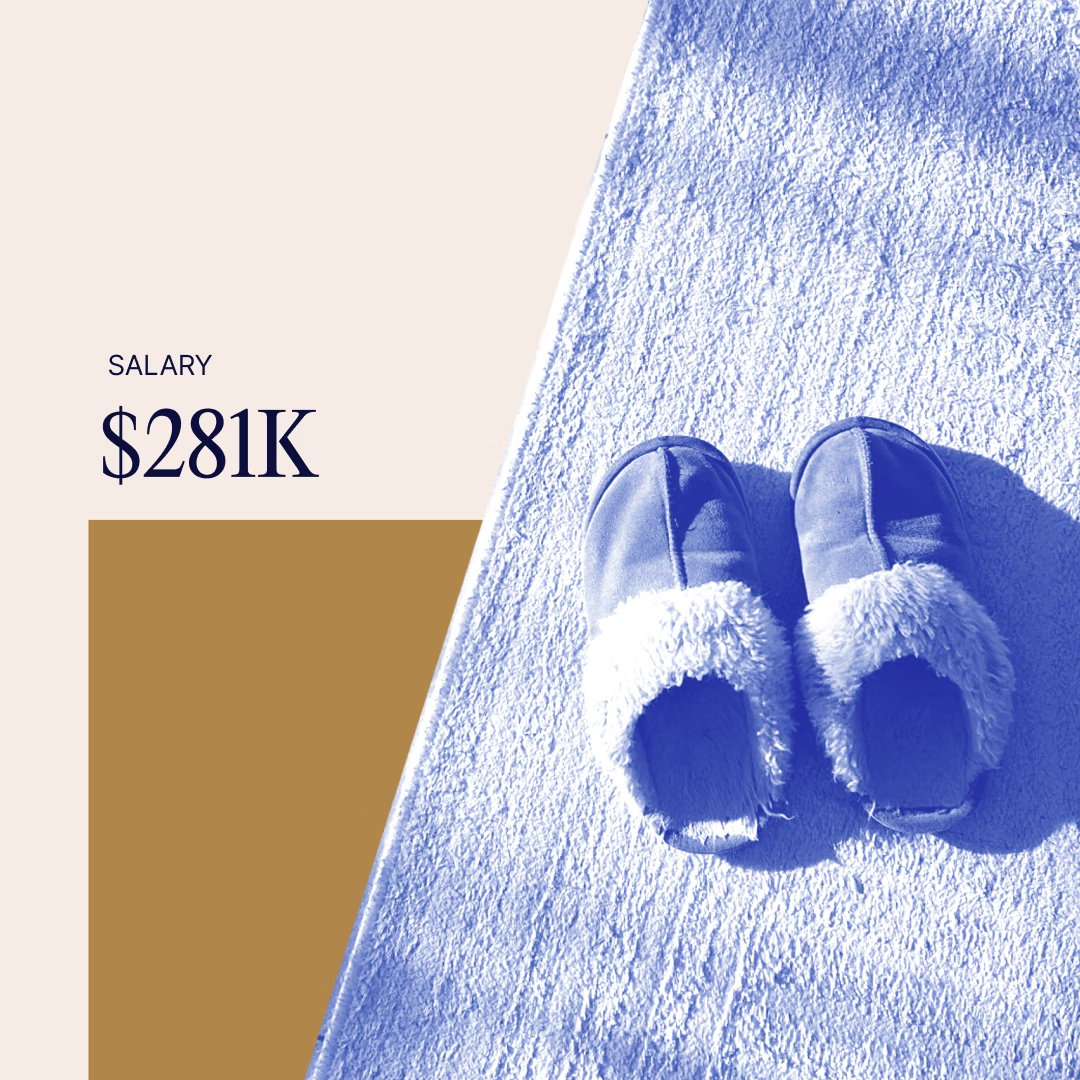
What I Spent This Week as a Director and Business Owner Making $281K
Ever wondered how others really manage their money?

Ever wondered how others really manage their money?
In the A Week in My Wallet series, we share it all, because talking about money shouldn't be off-limits.
Every week, an anonymous member shares a week of their spending: no names, no filters, just honest stories about life's everyday financial choices.
Ready to join the conversation and help make money talk less taboo? Share your own story via our form here.
Monthly Take-Home Pay (after tax): £11,600 ($15,544) technically — but I receive annual dividends.
Do you share expenses with someone? Yes
Household Income (if shared): £426,000 ($570,840) before tax
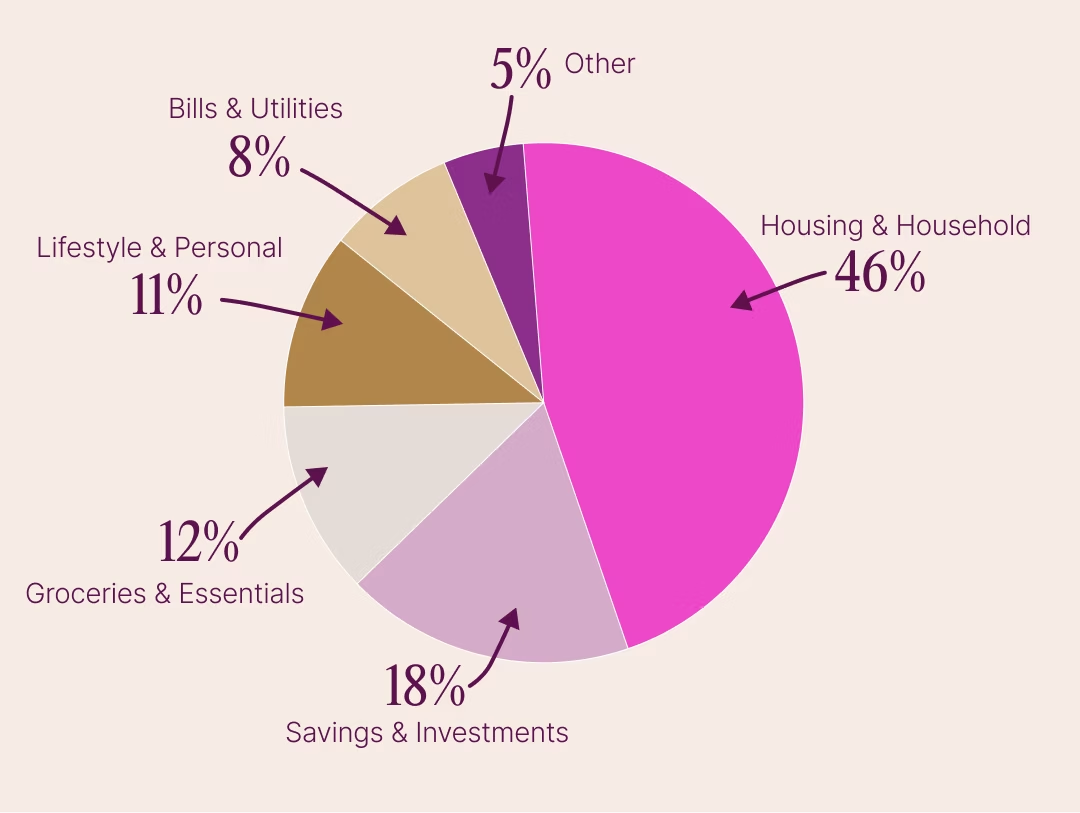
What is your overall monthly budget? I pay for these myself:
- Dog's health insurance: £115 ($154)
- Joint life insurance: £35 ($47)
- TV Licence: £15 ($20)
- Dog's food: £80 ($107)
- Internet: £80 ($107)
- Dog's vet plan: £18.50 ($25)
- Mobile phone: £52 ($70)
- Streaming platforms: £41 ($55)
- Trading 212 investment contribution: £200 ($268)
These are all my share of the payment only:
- Groceries: £250–£300 ($335–$402)
- Electric: £200 ($268)
- Handyman: £250 ($335)
- Housekeeper: £850 ($1,139)
- Dental plan: £30 ($40)
- Gardeners: £150 ($201)
- Water: £100 ($134)
- Council Tax: £180 ($241)
I don't drive at the moment, so no transport bills right now, but I am learning to drive.
Amount left each month after essentials (to spend, save or invest): A tricky answer as my salary is low but I receive payments in dividends — if I don't need it, I leave it in the businesses. Any money left at the end of the month I put into stocks — usually £300–£700 ($402–$938) a month.
Dependents (if any): Only the dog :)
My Relationship with Money
Growing up, did your parents or guardians educate you around money?
My parents were very wise about money. I was told to save and that a house was the best investment you could make. At 4 years old, I opened my first savings account. When I started full-time work at 17, I used to save and also did some low-risk investment plans my Dad told me about. Money was tight, I think, but only because my parents didn't borrow money and only spent what they had. If they wanted nice things, they saved and planned for them. We never went without things — our home was nicely furnished, we had new clothes, etc. But we didn't have all the new "trendy" things my friends had, but we were told why. ("If your friends had a boil on their bottom, would you want one too?" was one of my Mom's favourite responses to "but everyone else has one," and to be fair... you can't argue with that, ha!)
What was your first job and why did you get it?
Official first job was newspaper girl, when I was 14/15 — I wanted to earn regular money. Before that, I would sometimes buy products from a local warehouse and sell them to my friends at school (costume jewellery, stickers, etc.). My first self-employed role was at 9, selling stickers for a penny each to my school friends at break time.
Did you worry about money growing up?
No, my parents taught us the value of everything but protected us from ever having to have money worries. I'm very grateful for that childhood stability.
At what age did you become financially responsible for yourself and do you have a financial safety net?
I moved out of home at 20 and rented for 3 years. I didn't have anything other than some savings. During that time, I saved hard (no mobile phone, no TV, no TV licence, all DIY I did myself — every penny I saved) so that I could buy a house as soon as possible.
Do you worry about money now?
Yes, I'm not sure at what point I will feel I have enough to feel safe and secure for my future. I don't believe a State Pension will actually exist when I get there. I think at the moment I wouldn't qualify for one until I'm 68, but the age keeps being raised. I would like to own our home outright and to have a much larger pension pot and a nice investment portfolio, but I am actively working on that since September 2025, thanks to Female Invest giving me the confidence to just go for it.
What is your biggest money regret?
Not investing sooner — I wish I had invested as soon as I started to earn.
What financial goals are you working towards?
I'm currently working on getting my pension pot padded out as I didn't start it until about 10 years ago. I currently invest £1,600 ($2,144) per month directly from my companies as it is tax-efficient to do so. I'm also actively working on my investment portfolio. I would like that to be in 6 figures before 2030.
Who is your financial role model (if any), and why?
My Dad is the one who taught me about saving bonds, and we still enjoy a chat now about shares I'm investing in and what he's investing in. He was always giving very sound and safe advice — as I've gotten older, I've taken more risks with my investments but always with plenty of research first.
Without my parents' sensible upbringing, I wouldn't have had various savings and investments in place when I split up with my partner in my late 20s and been in a position to take the house and mortgage on on my own.
Reflections on My Spending Habits:
A lot of my spending happens in batches rather than consistently throughout the week. I work long days, so I can go several days without spending anything and then have a much larger spending day.
This week was particularly unusual because a large amount of money was transferred into investments after a savings account matured. I also paid towards my partner's birthday trip and gifts, as well as buying Christmas items early while they were available at better prices.
What I Spent in a Week
Day 1: Monday – £0 ($0)
• £0 ($0) — Nothing spent.
Day 2: Tuesday – £0 ($0)
• £0 ($0) — Again, nothing
Day 3: Wednesday – £0 ($0)
• £0 ($0) — Nothing. I work long days, so my spending tends to bunch up.
Day 4: Thursday – £16,148.78 ($21,639)
• £14.88 ($20) — Lunch delivered to the office
• £122 ($163) — Food shop delivery
• £8,000 ($10,720) — Transferred to stock investments after a savings account matured
• £5,000 ($6,700) — Transferred to my Stocks & Shares ISA
• £2,558 ($3,428) — Deposit for a short break for my partner's birthday
• £399.90 ($536) — Gifts for my partner's birthday
• £54 ($72) — Driving lesson
Day 5: Friday – £0 ($0)
• £0 ($0) — Nothing spent.
Day 6: Saturday – £125 ($168)
• £125 ($168) — Vinyl records for my collection
Day 7: Sunday – £312.98 ($419)
• £139.98 ($188) — Two Christmas trees
• £111 ($149) — Christmas tree decorations. I love Christmas and wanted two new trees, and buying them in August was cheaper.
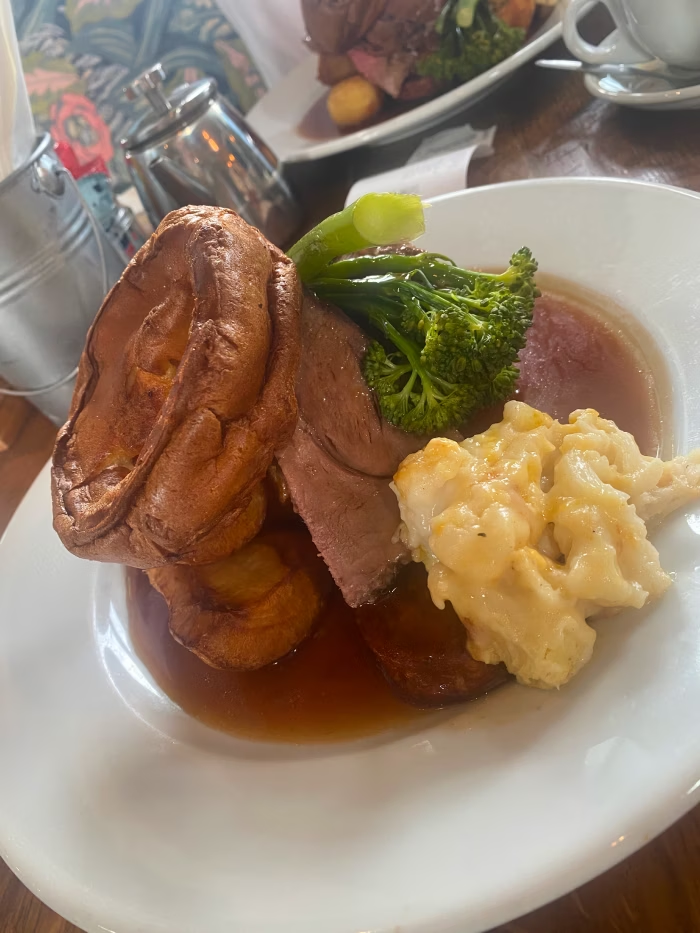
• £46 ($62) — Sunday roast at a farm café
• £16 ($21) — Cakes and savoury food from the farm shop
Total Weekly Spend: £16,586.76 ($22,226)