1/7/26
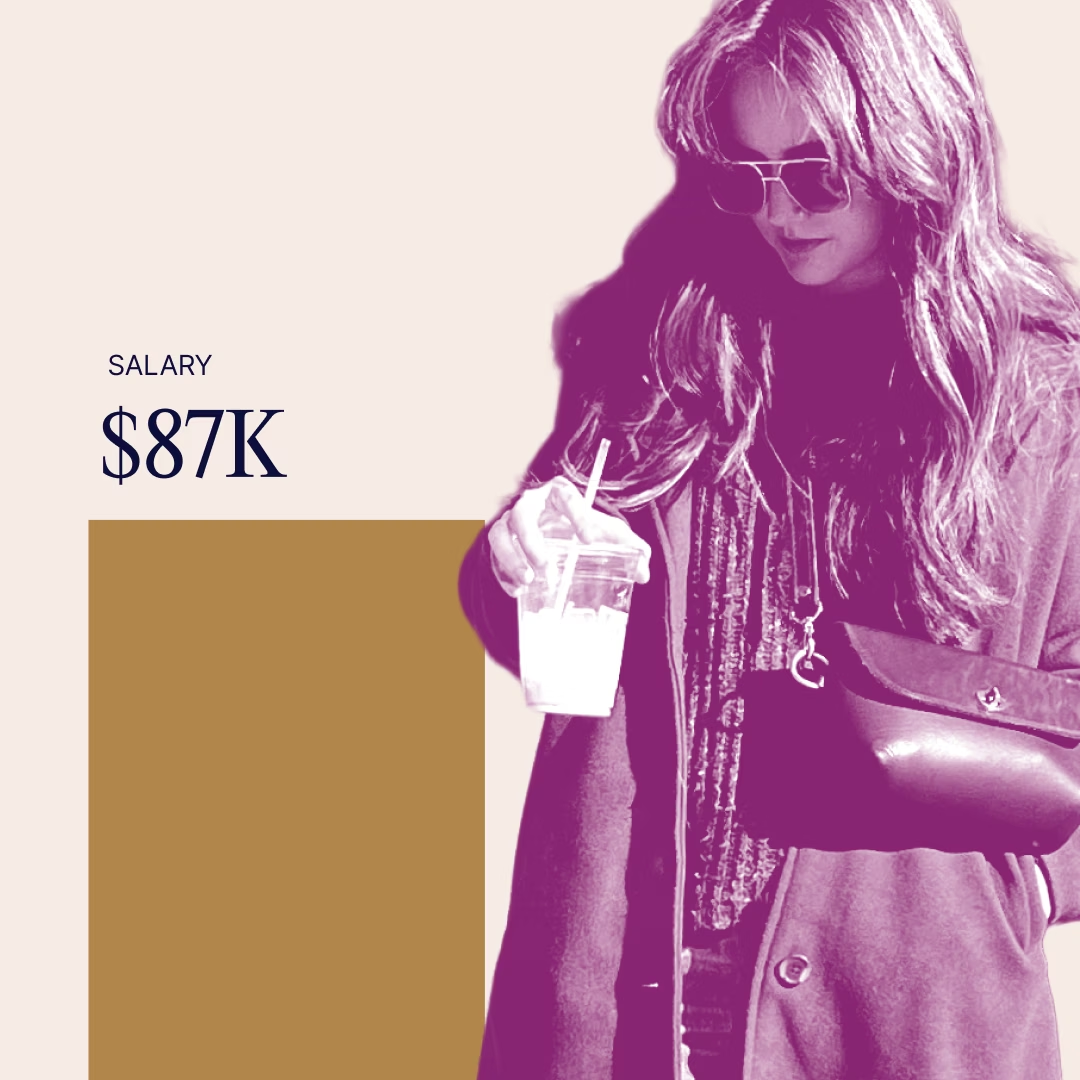
What I Spent This Week as a Environmental Case Officer Making $87K
Ever wondered how others really manage their money?

Ever wondered how others really manage their money?
In the A Week in My Wallet series, we share it all, because talking about money shouldn't be off-limits.
Every week, an anonymous member shares a week of their spending: no names, no filters, just honest stories about life's everyday financial choices.
Ready to join the conversation and help make money talk less taboo? Share your own story via our form here.
Monthly Take-Home Pay (after tax): DKK 31,600 ($4,740)
Do you share expenses with someone? Yes, my partner.
Household Income (if shared): DKK 1,022,660 ($153,399) (combined annual income before tax)
What is your overall monthly budget?
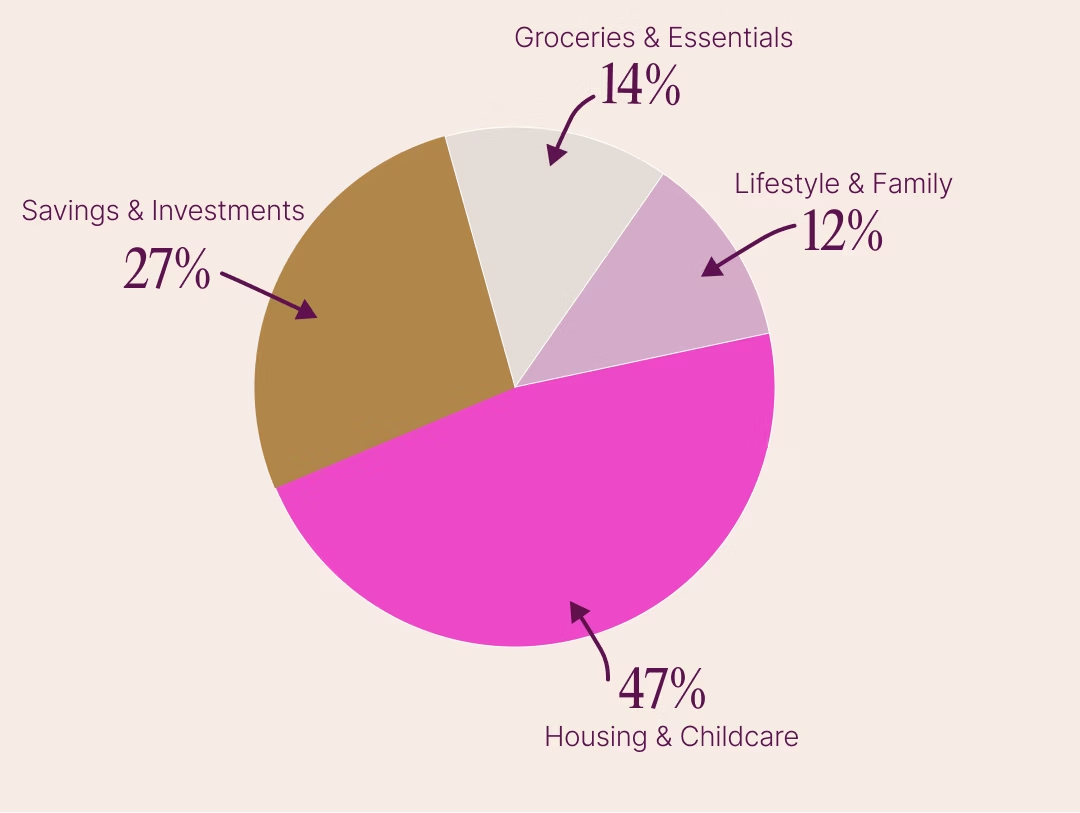
- Housing & childcare: DKK 16,500 ($2,475) contributed to our shared household account for mortgage repayments, insurance and fixed household expenses. I contribute a larger percentage because I earn more than my partner.
- Transport: Around DKK 500 ($75)
- Groceries & Essentials: Around DKK 5,000 ($750)
- Investment Contributions: Around DKK 3,500 ($525)
I use the 50/30/20 rule as a guideline, although housing costs have always exceeded 50% of my income. I love using the Female Invest budgeting spreadsheet, which I've customised to suit my own finances. It gives me a great overview of all my expenses and shows how much room I have to increase my investments.
Amount left each month after essentials (to spend, save or invest): Around DKK 9,600 ($1,440), which I save towards travel, increasing my investments, and home maintenance and renovations.
Dependents (if any): Four children and one dog.
My Relationship with Money
Growing up, did your parents or guardians educate you around money?
No, unfortunately I didn't receive any financial education at home. My parents never talked about money and never saved or invested. They spent everything they earned and often struggled to pay the bills by the end of the month.
What was your first job and why did you get it?
I worked in a chocolate factory when I was 18. I took the job so I could become financially independent.
Did you worry about money growing up?
Yes, all the time. Even as a 13-year-old I couldn't understand how two adults working full-time still couldn't make ends meet. Without realising it, my parents inspired me to take control of my own finances and do everything I could to become financially independent.
At what age did you become financially responsible for yourself and do you have a financial safety net?
I moved out at 19 and became financially independent.
Do you worry about money now?
No. I've finally reached a point in my financial journey where I feel my personal finances are strong enough to cope with most unexpected events.
What is your biggest money regret?
Not starting to invest earlier.
After becoming financially independent I became very good at saving, but for many years I didn't even realise investing in the stock market was an option. It wasn't until around four years ago that I began learning about investing, and only at the beginning of 2025 did I finally start investing.
I also regret not negotiating my salary more when I first entered the job market.
What financial goals are you working towards?
I'd like to save more towards improving the energy efficiency of our home and increase my monthly investments to DKK 5,000 ($750) per month.
I'd also like to start my own environmental consultancy business within the next five years while continuing my current job.
Who is your financial role model (if any), and why?
I've never really had one, but my husband has inspired me greatly. He's taught me a lot about personal finance, investing in property and running a business. Female Invest has also had a huge influence on my investment journey.
Reflections on My Spending Habits
I usually spend much more on groceries and activities with the children.
What I Spent In A Week
Day 1: Monday - DKK 42 ($6)
• DKK 42 ($6) — Company lunch
Day 2: Tuesday - DKK 1,473.76 ($221)
• DKK 1,473.76 ($221) — Investment savings account
Day 3: Wednesday - DKK 246.15 ($37)
• DKK 246.15 ($37) — Groceries
Day 4: Thursday - DKK 1,240 ($186)
• DKK 140 ($21) — Groceries
• DKK 1,100 ($165) — Investment savings account
Day 5: Friday - DKK 853.15 ($128)
• DKK 79.22 ($12) — Groceries
• DKK 393.93 ($59) — Children's clothing
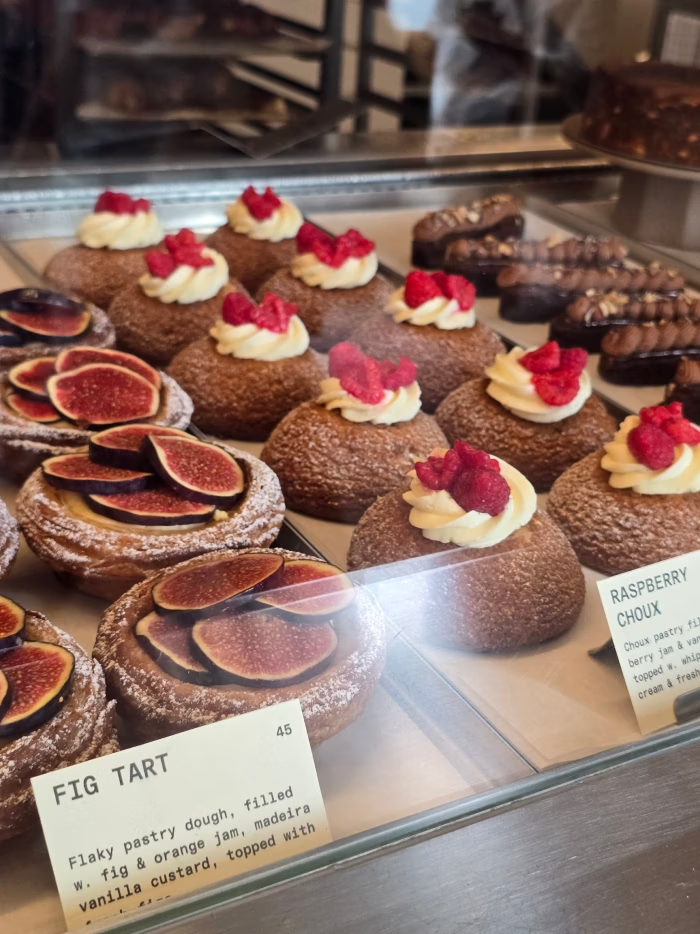
• DKK 380 ($57) — Birthday cake
Day 6: Saturday - DKK 0 ($0)
DKK 0 (£0) — No spending over the weekend.
Day 7: Sunday - DKK 0 ($0)
DKK 0 (£0) — No spending over the weekend.
Total Weekly Spend: DKK 3,855.06 ($578)